about nic
writer, therapist, grief worker
the carousel of work
My work currently defines itself within the realm of psychotherapy under the formal designation of a Registered Social Worker (RSW) with the Ontario College of Social Workers and Social Service Workers (OCSWSSW).
As it stands, I work with individuals 16+ both online and soon to be in-person.
The work I do lives at the therapeutic intersections of Somatic Experiencing, Core Energetics, and psychodynamics. To texturize these modalities, I use them in conversation with principles of spirituality, queerness and mytho-poetry.
In my sessions, I support clients to explore the site of their felt experience more fully. This looks like working with the reality of the body, as it is in this moment—its story, its feeling, its sounds, and the languages it holds. It also includes working with the more unconscious aspects of the self where we can make contact with the lesser known parts of ourselves.
grief as the first breath
One of my teachers, Eden Hertzog, once said something about how healing work is really Grief work. Grief is a cornerstone in this work, my work, in both the transpersonal, collective sense and the individual, internal sense. As Martin Prechtel writes, “Grief is praise”. This work then becomes a kind of praise work.
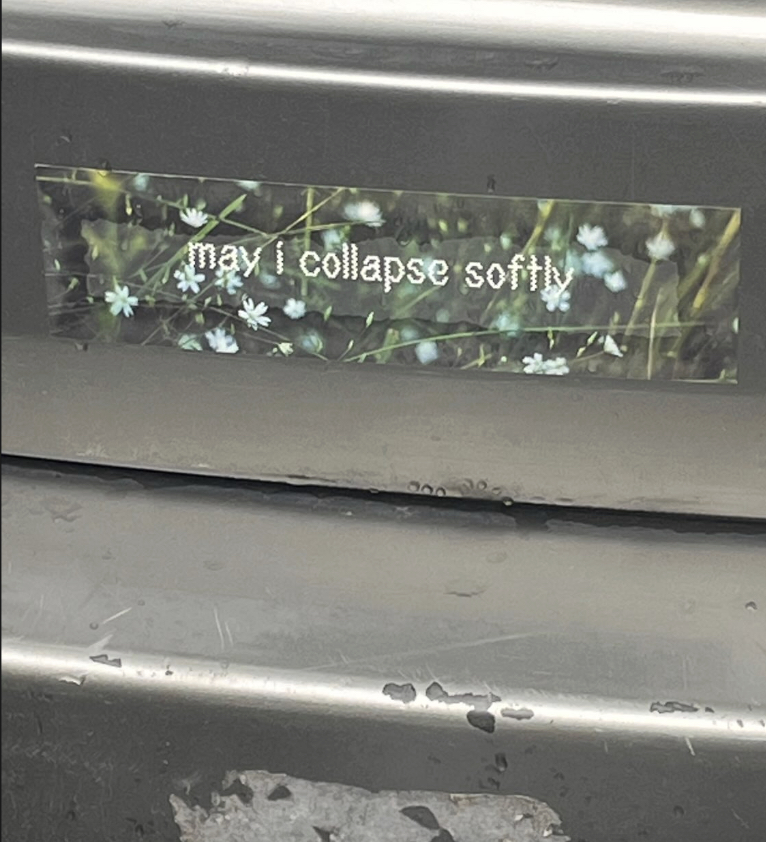
Grief is one of my most loving teachers. I began to really delineate my grief work during my graduate degree, during the COVID pandemic, where grief seemed to be complexifying itself, morphing, speaking and landing more fully more into collective consciousness. I became interested in what Bayo Akomolafe calls “post-activism”, where he invites us into a response of wholesale collapse that does not call for progress, speed, urgency, coherence, knowability and goodness. Post-activism is an anti-speed, anti-coherent inquiry.
As he understands it, grief is a necessary technology in this practice of undoing what no longer works. It is a sermon of a decolonial nature, queering and crunching the linearity of something fast and quick and hungry. In this way, grief is a deeply radical formation of reconnection.
Ever since I left law school, unable to swallow its mandate, I have been repeatedly summoned, without much consciousness, into what felt like the darkest hole someone could climb in. Here, I began to feel grief working me, pulling me, stripping me away. In this, I found the earth somewhat alive, the land, the porosity of my heart, and what you get when you surrender to the loss altogether.
The way I have come to understand it, grief is a statement of aliveness; a methodology that opens. Beyond the more localized and immediate shock that we feel after the death of a person, a pet, a loved one and/or the end of a relationship, grief can be held more broadly as an orientation towards the reality of life. What is gone, what has changed, what is lost, what never was—these are all sites of experience that bring us into contact with the ministry of the heart. Grief may even be the call of our lifetime and the offering we leave for those behind us. It may be part of the project that Layla F. Saad calls "Becoming Good Ancestors". It may just be the thing that rings the heart wide open.
maybe loss is infected with becoming
This is one of grief’s poem: How much we grieve is how much we live. When we have given ourselves completely to the reality of what is lost and changed, we may find the completeness of our humanity—delicate and pierced and beautiful.
Inquiries with grief, in this moment, sound a bit like this:
- How to be supple and humble at this moment in time?
- How to revere pain in a generative, poetic and expansive way?
- How to hold change?
- How to be alive in the undoing?
- How do we hold ourselves while we are in Grief’s tunnel?
- How does Grief know joy?
- How does Grief reinstate our broken heart?
- What logic is wide enough to hold us as we become undone?
- How does Grief and Beauty know each other?
- How is Grief a worthy response to collapse?
- How do we suffer beautifully?
the self and "me"
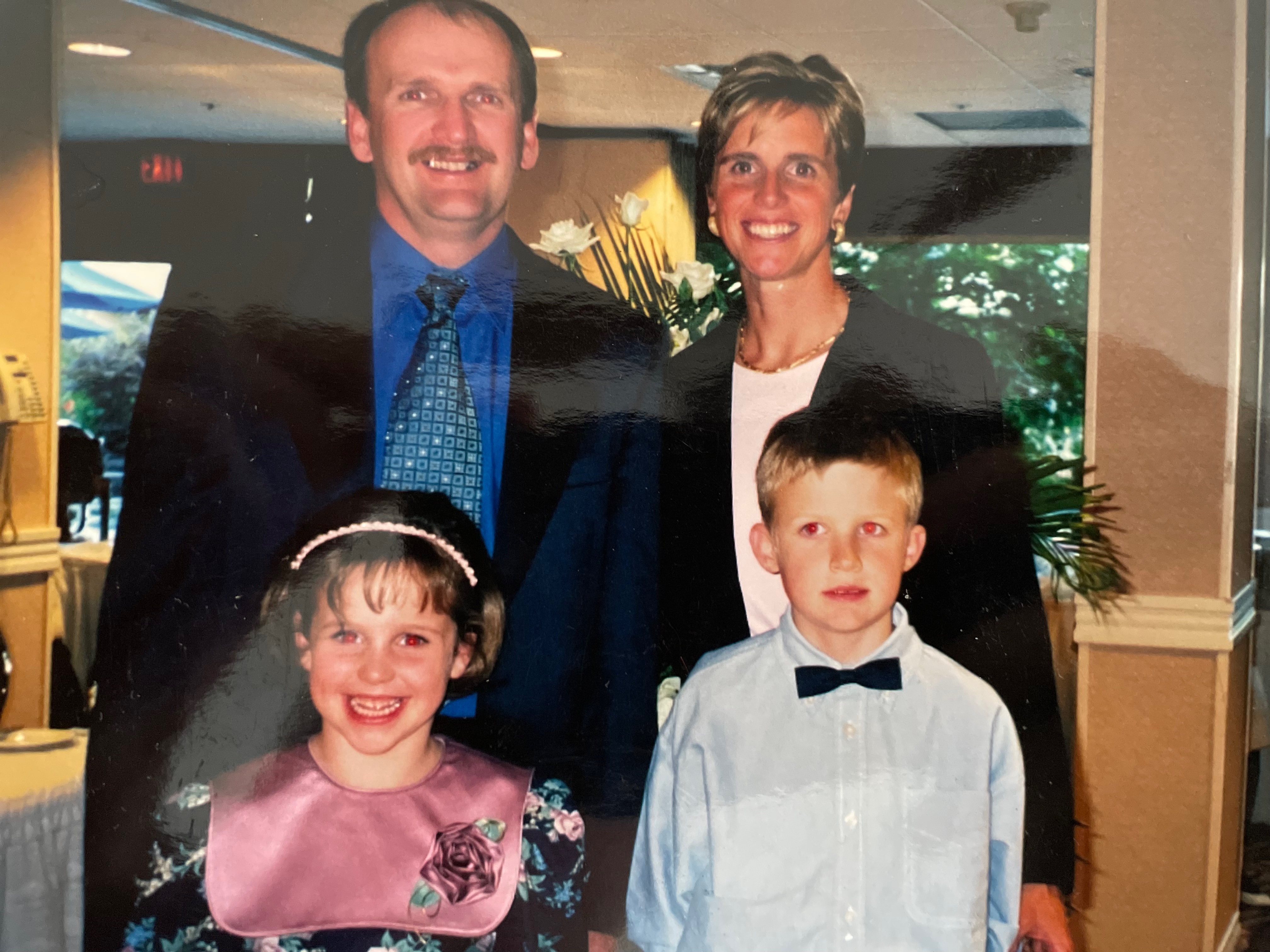
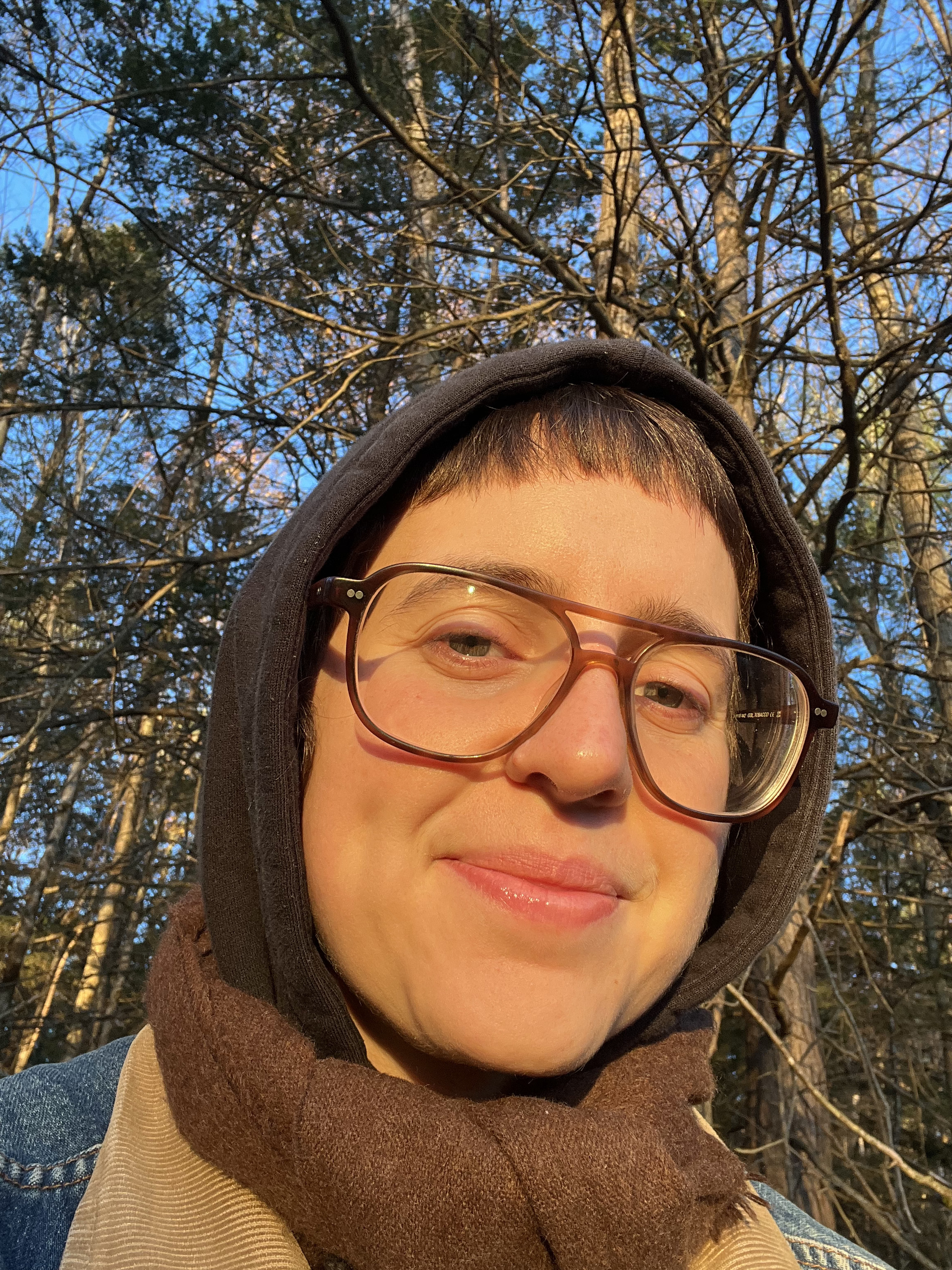
There are lines of identity that I carry with me and that inform the way I move, how I metabolize information. I come from a lineage of pain, unconsciousness, effort, sweetness, integrity and untreated wounding. I am white. I was born on Treaty 6 territory in the early 90s to two people with light in their eyes. I am queer and trans, which means I am seasonal, of the earth, plural, underground, sunlit. I have a few names, some of which I don't know.
Underneath—or with—these identities, is a river streaming: I am co-composed. I am made up of many hands, many mornings, many pieces of silence, many people's sacrifice and many loves. I am an ecosystem that has been built by other eco-systems and nothing I do stands separated from it. "my" work is many's work. "my" words are many books. "my" home is many lands. One day, I will write down a list of all the people who have made me and all the trees that have blessed me.
until then, here "i" am.